Compare Local Contractors for Residential Carpentry Projects
Compare local contractors to define project scope, verify experience, and set clear expectations for your residential carpentry needs.
Residential carpentry services encompass a wide range of work aimed at improving, repairing, or customizing a home’s interior and exterior wood structures. Typical projects include installing or repairing cabinetry, framing walls, building custom trim and moldings, constructing decks or porches, and handling interior finish carpentry such as staircases and doorways. These tasks often require a combination of precise craftsmanship and knowledge of building practices to ensure that the work integrates seamlessly with existing structures and meets the homeowner’s functional and aesthetic goals.
Clearly defining the scope of a carpentry project is essential for setting realistic expectations and ensuring that the work aligns with the property owner’s needs. When engaging with a contractor, it’s important to specify what tasks are involved, the materials preferred, and any design preferences or specifications. Having a written outline of the scope helps prevent misunderstandings and provides a reference point for project progress. This clarity also assists property owners in evaluating whether a contractor’s expertise matches the specific requirements of their project, leading to a more successful and satisfying outcome.
Comparing local contractors for residential carpentry involves assessing their experience, reputation, and the range of services they offer. Property owners should look for contractors who have worked on similar projects and can provide references or examples of past work. It’s also helpful to verify that potential service providers understand the scope of work and can articulate their approach to completing the project. By reviewing credentials, asking detailed questions, and requesting written proposals, property owners can make informed comparisons and select a contractor whose skills and approach align with their project goals.
Compare local contractors by outlining project priorities, verifying experience, and clearly defining scope and expectations in writing.
- Compare Contractor Credentials - Review experience and reputation to identify reliable service providers.
- Define Project Scope Clearly - Outline specific carpentry tasks to ensure mutual understanding.
- Verify Work Experience - Confirm local contractors have relevant skills for residential carpentry projects.
- Document Expectations in Writing - Establish detailed agreements to set clear project requirements and deliverables.

Clearly describe your residential carpentry project to effectively compare local contractors, verify their experience, and set written expectations.
- Verify the contractor’s experience with residential carpentry projects similar to the scope of work. - Ensure service providers clearly define the project details and expectations in writing.
- Compare multiple local contractors to assess their expertise, reputation, and quality of work. - Look for detailed descriptions of services offered and previous project examples.
- Check references or reviews to gauge the reliability and craftsmanship of potential contractors. - Confirm that the scope of work, materials, and responsibilities are outlined and agreed upon beforehand.
- Assess the contractor’s ability to communicate clearly and provide thorough explanations of the project process. - Make sure all aspects of the project are discussed and documented in a written agreement.
- Ensure the scope of work, materials, and project responsibilities are well-defined and documented before work begins. - This helps set clear expectations and reduces misunderstandings during the project.
Compare local contractors, clarify project scope, verify experience, and document expectations to guide your project.


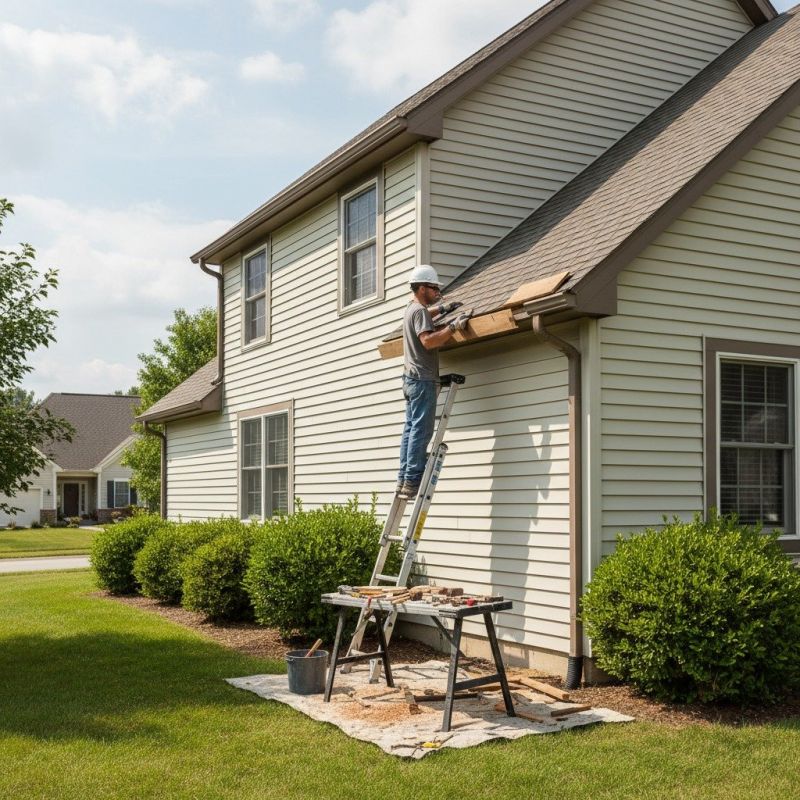

Learn how to compare residential carpentry contractors effectively by defining scope, verifying experience, and setting clear expectations in writing.
- Scope Definition - Clearly outline the specific carpentry tasks and areas to be addressed in the project.
- Material Specifications - Identify the types and quality of materials to be used for the carpentry work.
- Experience and Expertise - Verify that local contractors have relevant experience in residential carpentry projects.
- Work Expectations - Document the desired outcomes and standards for the completed carpentry services.
- Written Agreement - Ensure all scope details, materials, and expectations are documented in a formal agreement.
When evaluating residential carpentry service providers, it’s important to consider their experience with projects similar to the work needed. Homeowners should inquire about the types of carpentry projects the contractors have completed, such as framing, cabinetry, or custom woodwork, to ensure familiarity with the scope of their potential job. A contractor’s background with comparable projects can provide insight into their skill level and understanding of the specific requirements involved. This helps in assessing whether a service provider has the practical expertise to handle the unique aspects of the project at hand.
A clear, written scope of work is essential for establishing mutual understanding and setting expectations. Homeowners should seek contractors who can provide detailed descriptions of the work included, materials to be used, and the specific tasks to be completed. Having a comprehensive scope helps prevent misunderstandings and provides a foundation for evaluating the quality and thoroughness of the proposal. Service providers who communicate their scope in writing demonstrate professionalism and transparency, making it easier to compare options based on the clarity and completeness of their descriptions.
Verification of a contractor’s experience can be accomplished by requesting references or examples of past work. Homeowners should ask for contact information of previous clients or for a portfolio of completed projects similar to their own. Speaking with past clients or reviewing examples can reveal the contractor’s consistency, craftsmanship, and reliability. Additionally, verifying the contractor’s experience with similar projects ensures that they are familiar with the necessary techniques and standards, reducing the risk of surprises or subpar results.
Evaluating options without focusing on prices involves assessing the professionalism, communication, and details provided by each contractor. Homeowners should compare how well each service provider understands the project scope, the level of detail in their proposals, and their responsiveness to questions. It’s also helpful to consider how thoroughly they verify their experience and whether they can articulate their approach clearly. By focusing on these qualitative factors, homeowners can make informed decisions based on expertise, clarity, and professionalism-key indicators of a reliable and competent contractor for residential carpentry services.
Ask contractors to provide written scope details to ensure clear expectations and consistent project understanding.
- **Experience and Specialization** - What experience do local contractors have with the specific type of residential carpentry project?
- **Scope of Work** - How do contractors define and clarify the scope of work to ensure all project details are covered?
- **Comparison of Services** - What services and craftsmanship standards do different local service providers offer for residential carpentry?
- **Work Approach and Methods** - How do contractors plan to approach the project and what methods will they use?
- **Written Agreements** - Will the scope, materials, and project expectations be documented clearly in a written agreement?
How can I compare residential carpentry contractors? To compare contractors, review their experience, verify references, and assess their previous work to ensure they meet project expectations.
What should I define in the scope of a carpentry project? Clearly outline the specific tasks, materials, and desired outcomes to help contractors understand the project requirements and provide accurate proposals.
How do I verify a contractor’s experience in residential carpentry? Ask for details about their past projects, request references, and review any portfolios or examples of similar work they have completed.
Why is it important to get project details in writing? Having a written agreement ensures all scope, expectations, and responsibilities are clearly documented, reducing misunderstandings during the project.
What questions should I ask a potential contractor before hiring? Inquire about their experience with similar projects, their approach to project management, and how they handle unforeseen issues or changes.
How can I ensure the contractor understands my project needs? Communicate your project scope clearly, ask for their input, and confirm that all details are documented and agreed upon before work begins.
By reviewing the information provided, visitors can better understand how to identify qualified contractors for residential carpentry projects. They learned the importance of clearly defining the scope of work, verifying the experience of service providers, and setting expectations in writing to ensure a smooth process. Utilizing the quote form allows for easy comparison of local contractors, helping to find the right match for individual project needs.
Encouraging visitors to take the next step, the quote form offers a straightforward way to connect with local service providers who can handle residential carpentry tasks. Comparing options through this tool can assist in making informed decisions, ensuring that the chosen contractors meet specific project requirements and preferences.